Occasions
Holiday ranges for the calendar peaks, party supplies for everything in between.
Complete occasion sets, planned by you or built with you
This section works differently from the product sections. There you choose items; here you either arrive with a plan or ask us to build one. WW Revel works with importers, wholesale distributors, chain retail buying teams, event and party planning companies and online sellers who need a complete themed package for an occasion rather than a list of separate lines: balloons, tableware, decoration, headwear and accessories, favours and printed packaging, sized to a guest count, matched to one palette and loaded into one container. The build-it-for-you model is designed for buyers who take several complete sets at once. A single boxed set carries its own specification work, print set-up and freight, and against those costs the advantage only appears when a programme covers several occasions, several palettes or several guest-count variants within one production run and one shipment. Bring us one occasion and one palette and we will tell you plainly what that order supports; bring us a spread of occasions and the same specification work usually carries the whole programme. The occasion pages below cover birthday, baby shower, wedding, graduation and the seasonal festivals that double as party occasions. Each is written as a buying brief rather than a party idea, and each links back to the product families used to build it.
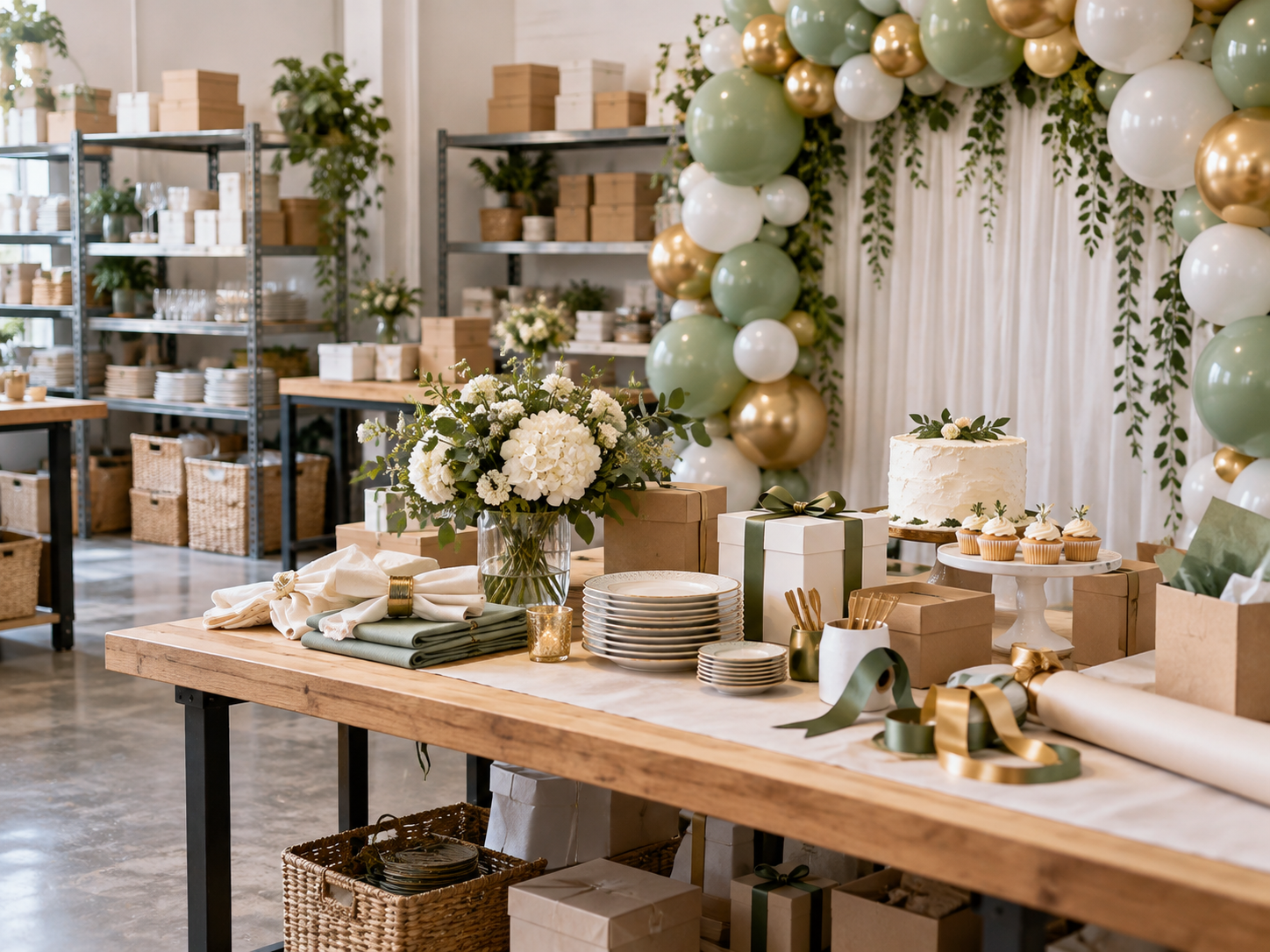
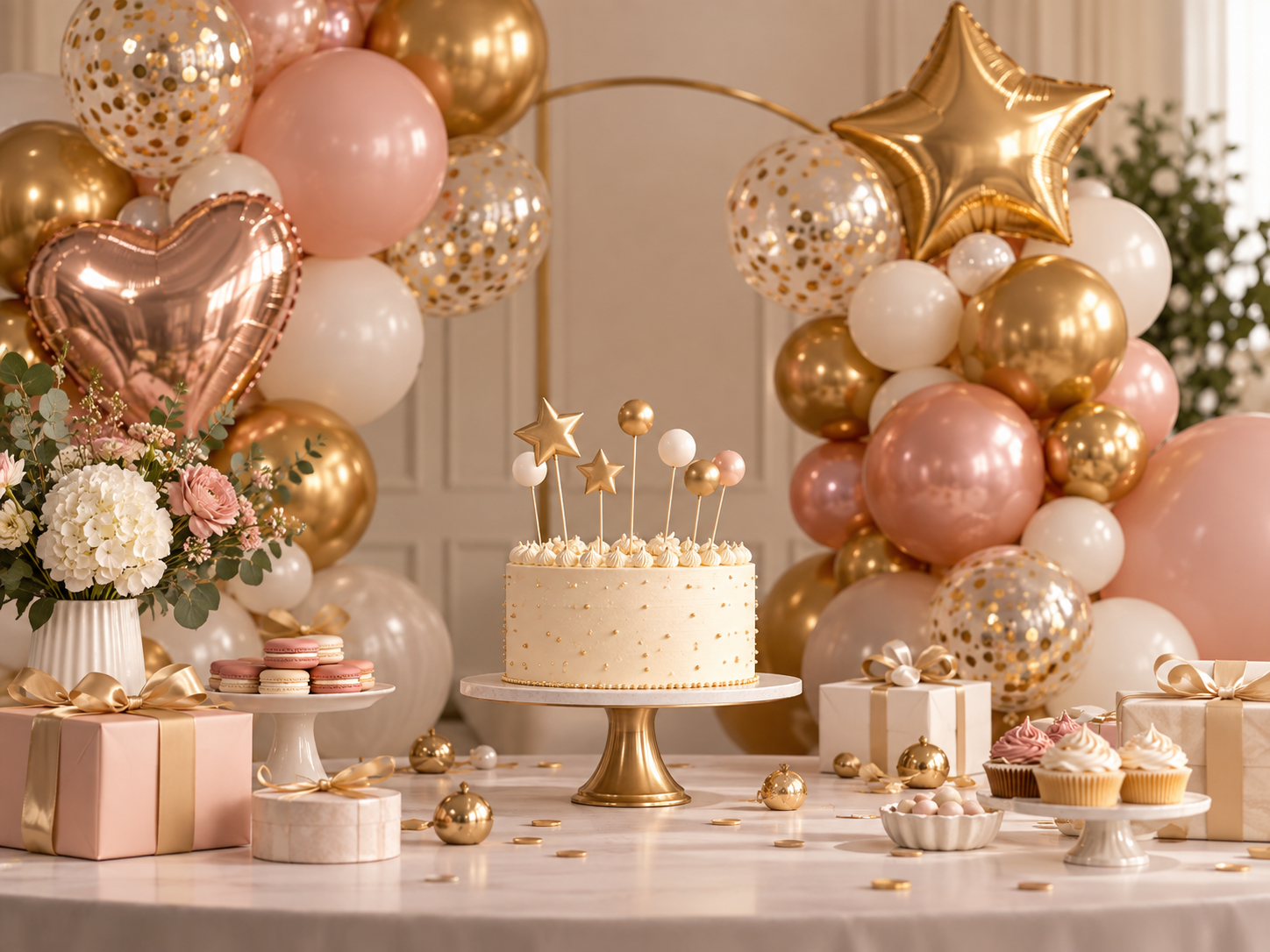
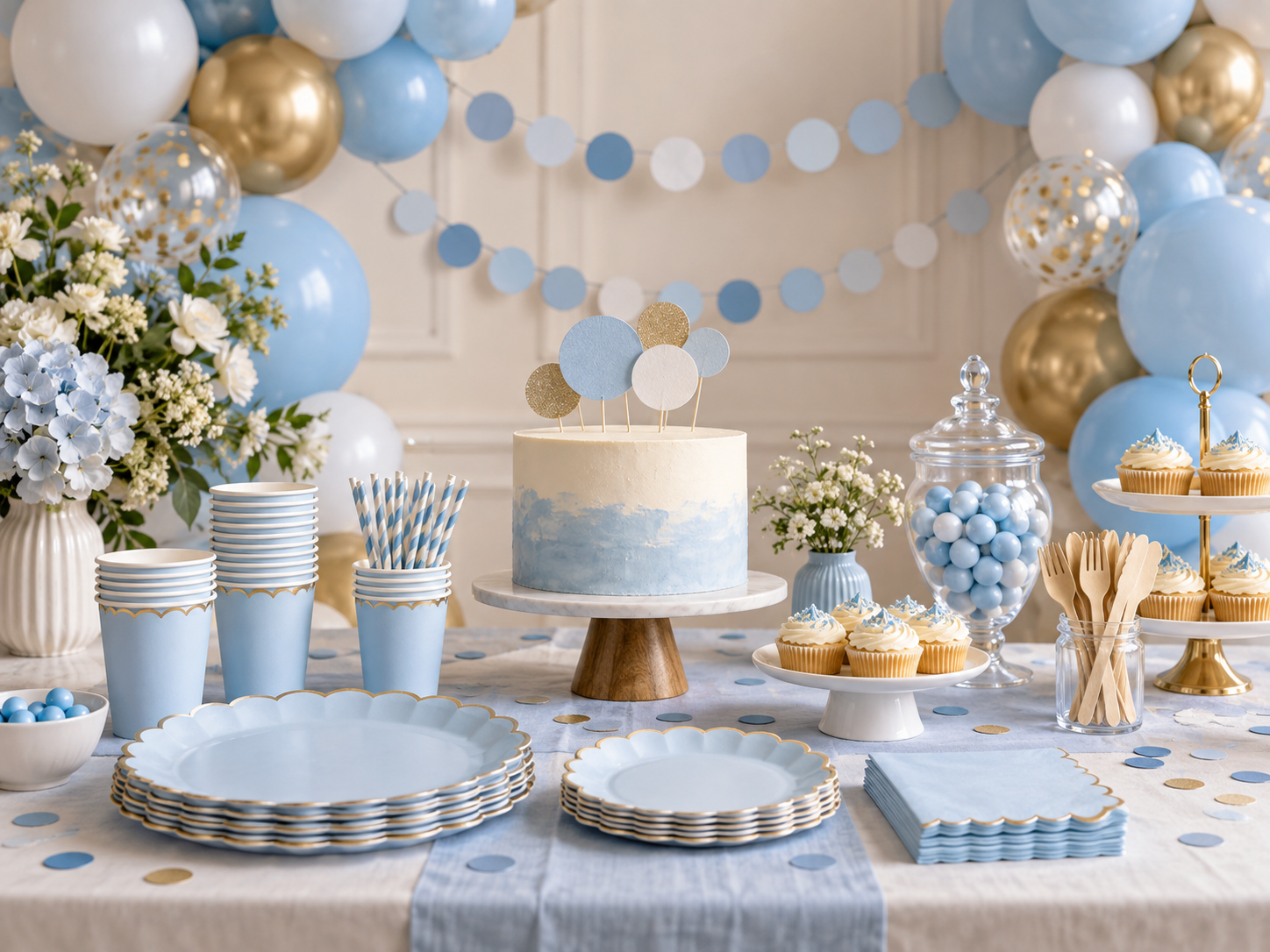
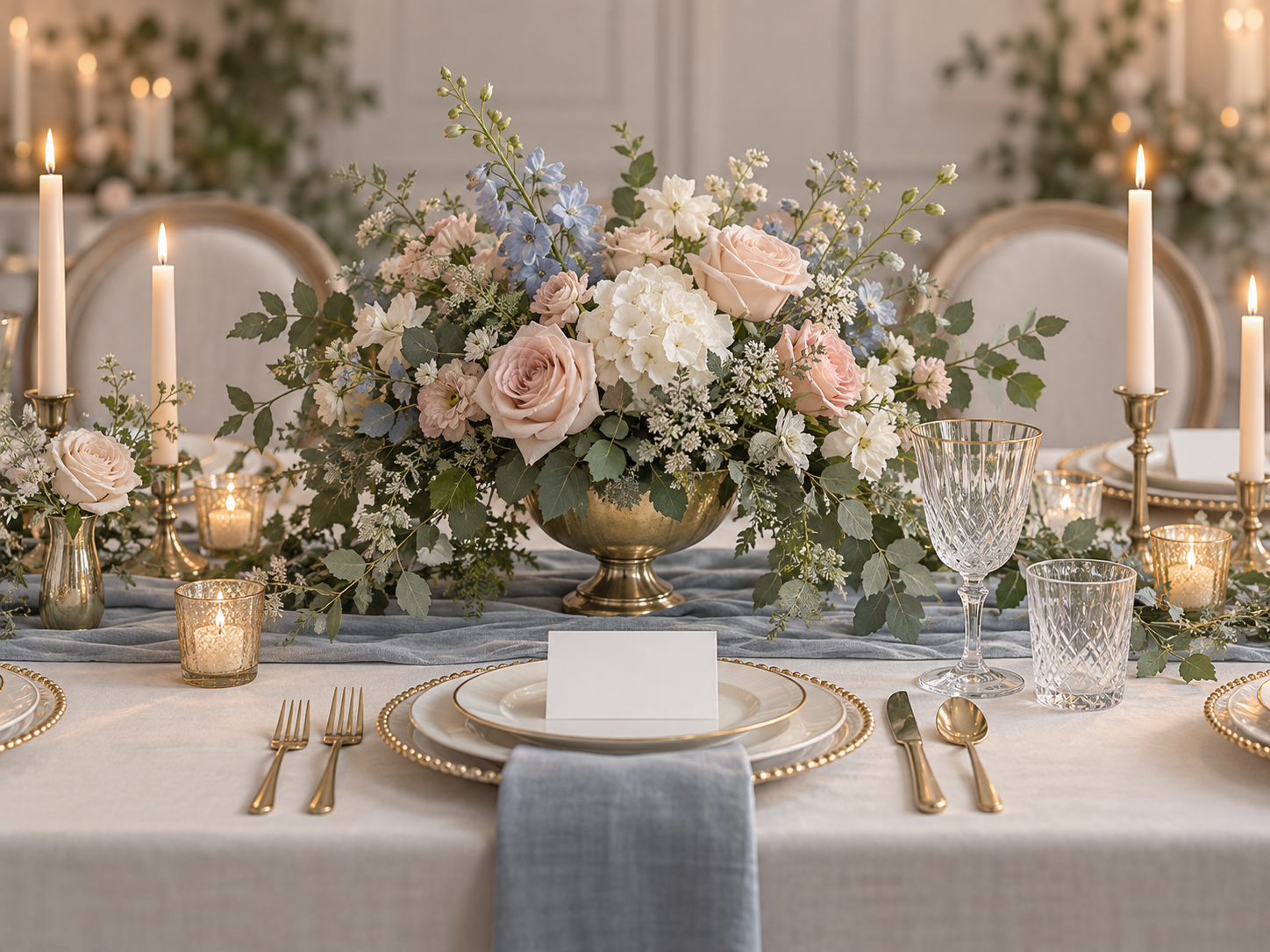

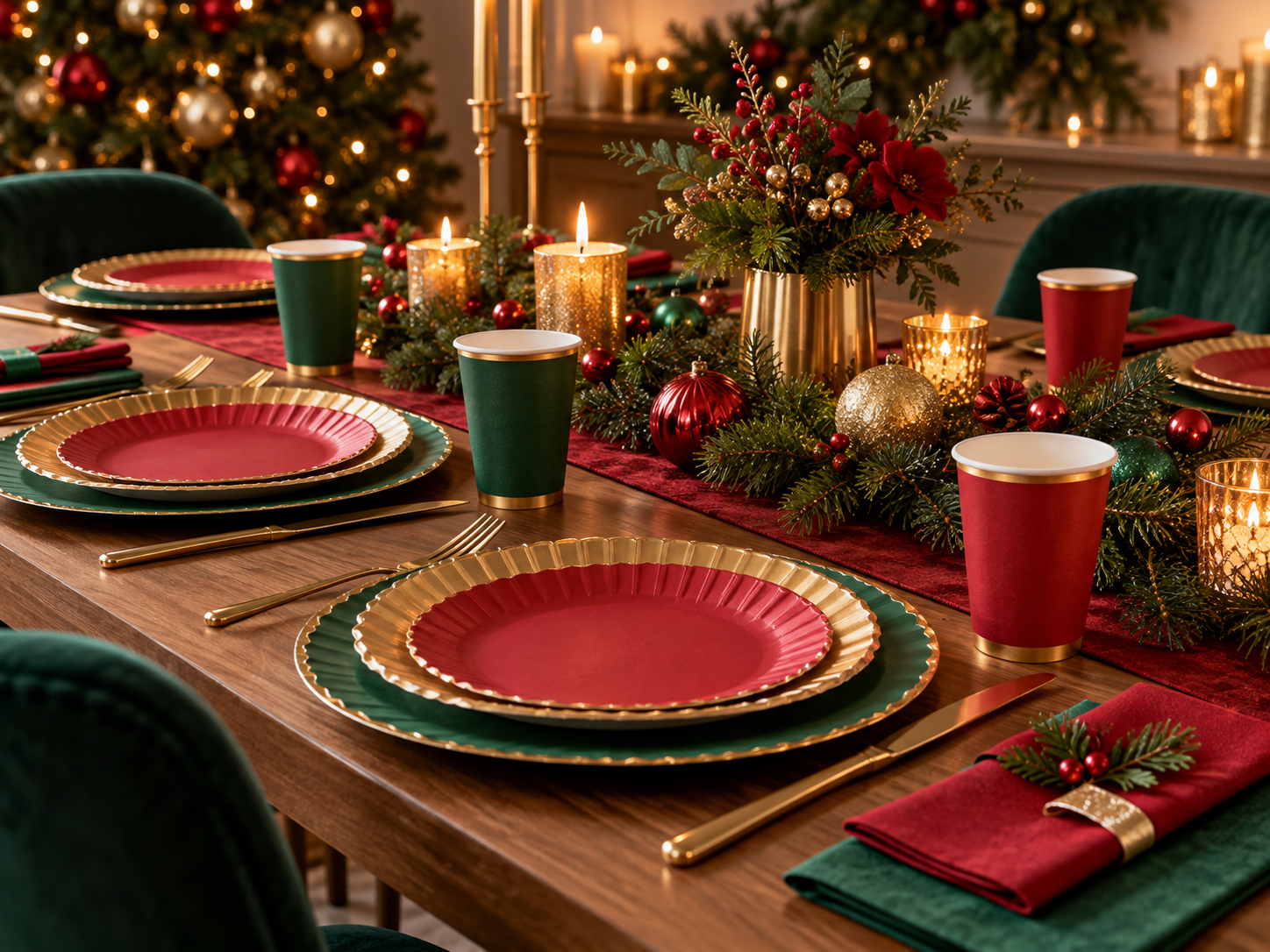
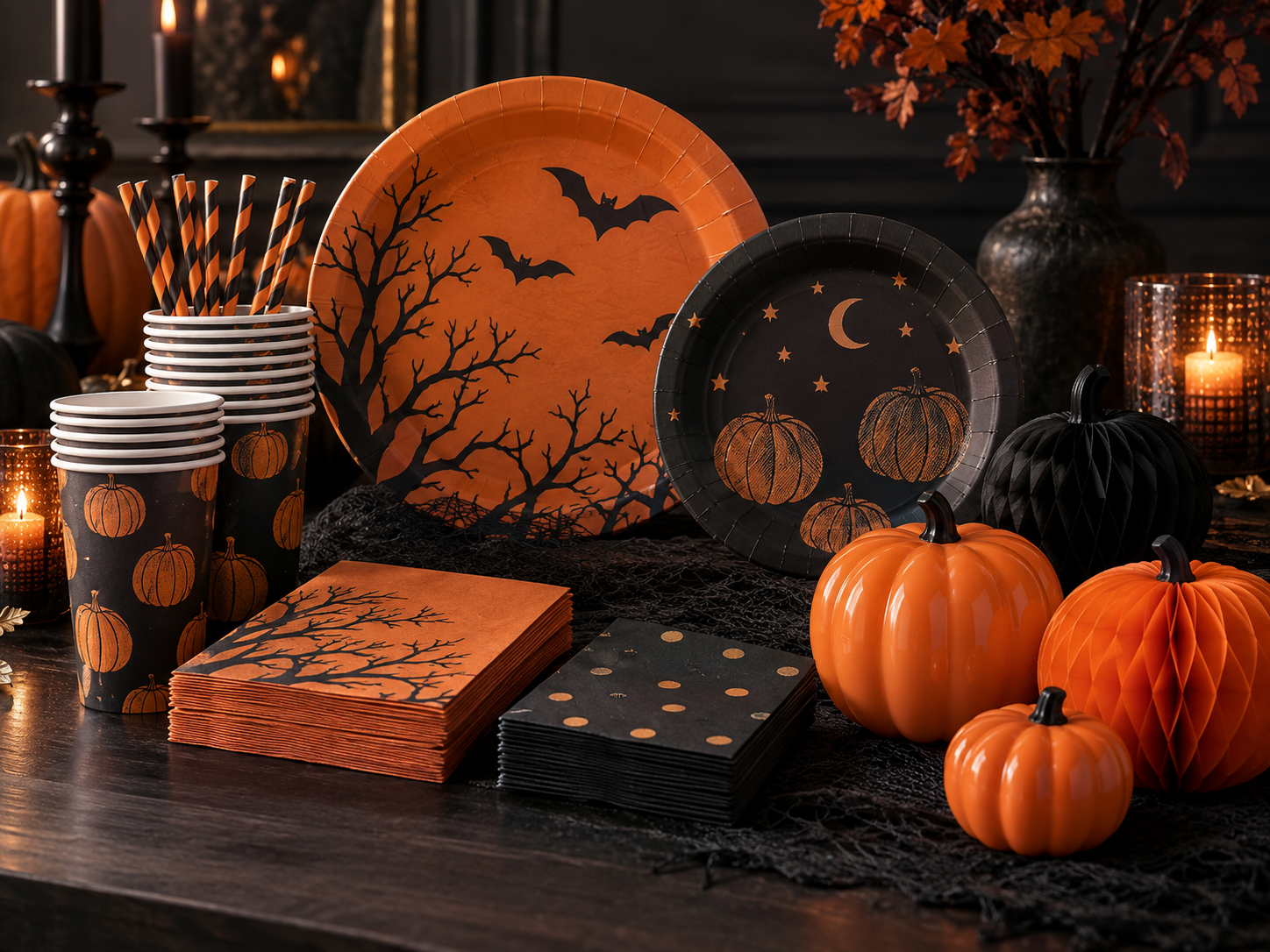
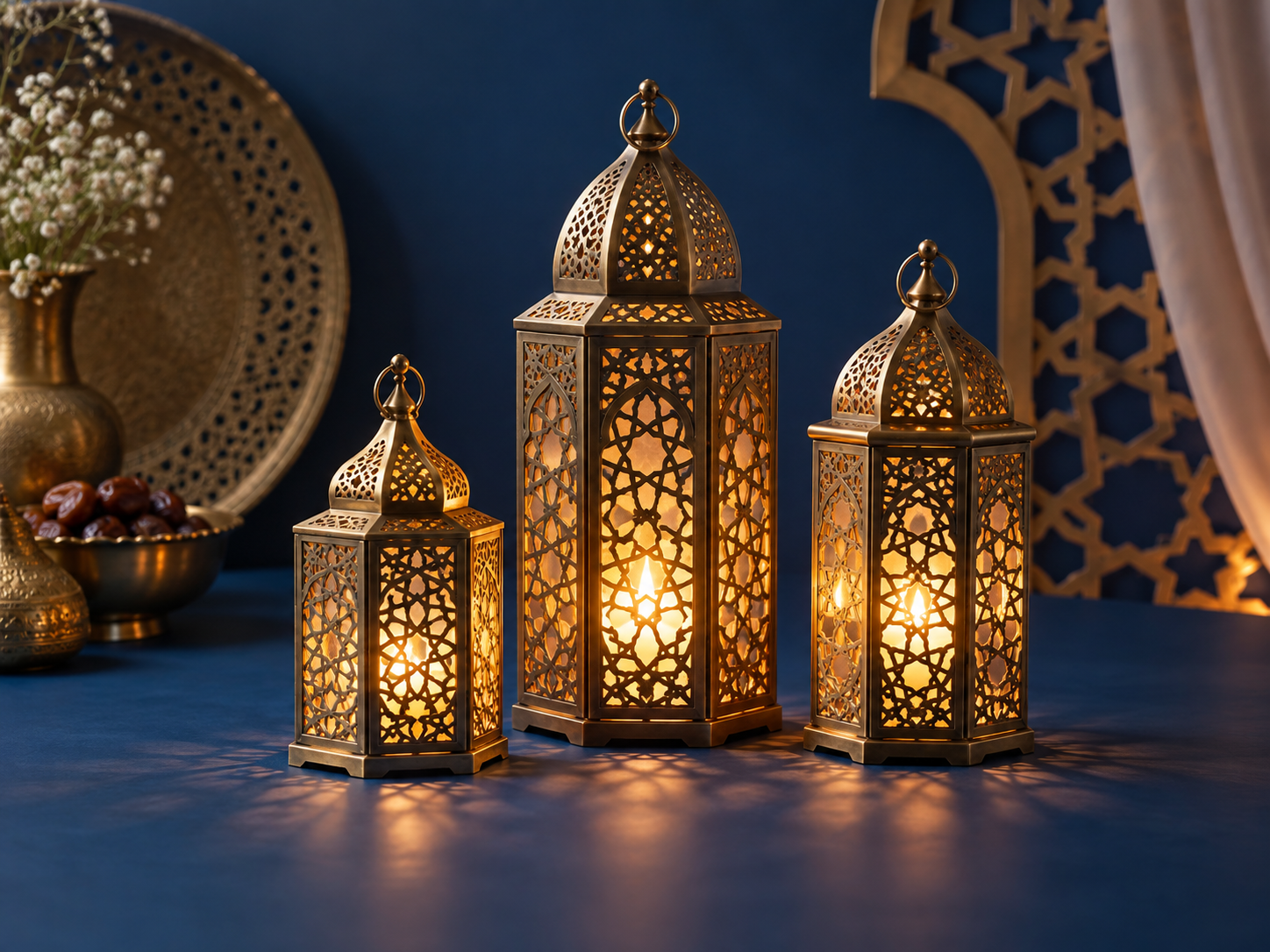
How we build a complete occasion set with you
A built set starts with a brief, not with a product list, and the brief takes about as long to assemble as the set does. Six things drive everything that follows: the occasion, the guest count per event, the destination market, the on-sale or event date, the palette, and the pack format the set will be sold or used in. From that we build a quantity model, then an item list across the five families with one hero family and two or three attach lines, then a pack structure, then artwork, then a production and loading plan. Buyers who already have a plan are handled the same way in reverse: send the plan and the pack structure, and we will quote against it, flag the families that are missing and point out where the quantity model is thin or over-specified. Two review points keep the process short. The first is the item list, agreed before any artwork is drawn, because changing a family after print set-up is what makes a programme expensive. The second is the pre-production sample, which is signed off on the finished substrate and in the final retail pack rather than on a screen. Nothing is committed to production before that signature.
Turning a guest count into a quantity model
Guest count is the input that turns a themed idea into an order, and the conversion follows a few conventions the trade already uses. Tableware is calculated per guest rather than per pack: commonly one main plate, one smaller plate for cake or dessert, one or two cups, one or two napkins and one straw per guest, with pack counts rounded up to whole packs, which is why a pack of 8 and a pack of 16 produce quite different totals for the same head count. Balloons are calculated by display rather than by head count for a decorated set, since a 5 metre garland uses a large but fixed balloon count regardless of how many guests attend, while balloon-per-guest logic is closer to two or three pieces when the set is a giveaway format. Favours are one per guest plus a buffer. Add a waste and replacement allowance for anything handled by children or used in a live event, because a broken plate at an event costs far more to replace than the buffer costs to buy. Then scale the variant: a buyer selling sets in 8, 16 and 32 guest sizes should confirm the model once and apply multipliers rather than rebuilding the list for every size. Every figure here is a convention, and the model for your order is confirmed with the order.
Theme and colour systems that hold across product families
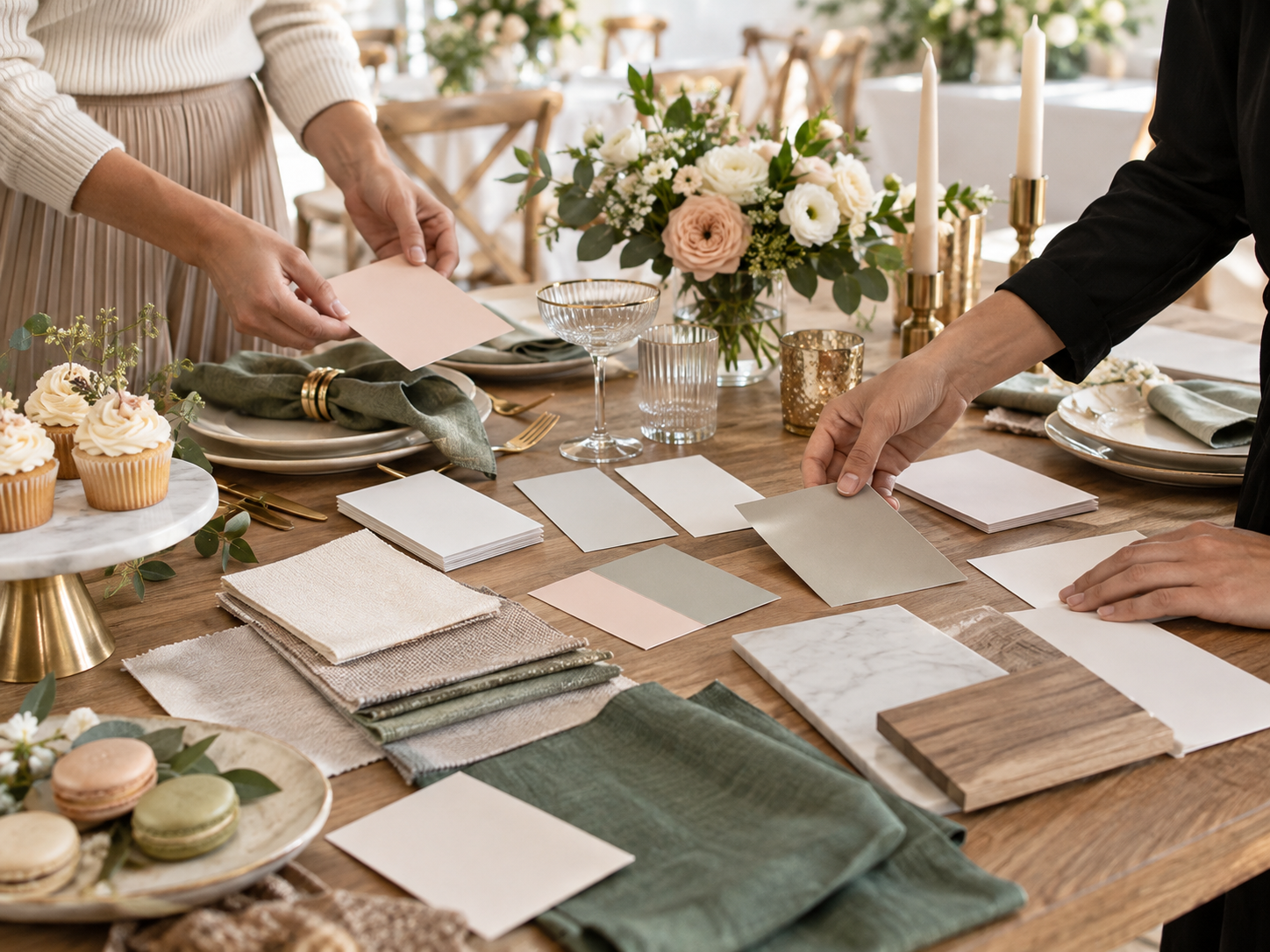
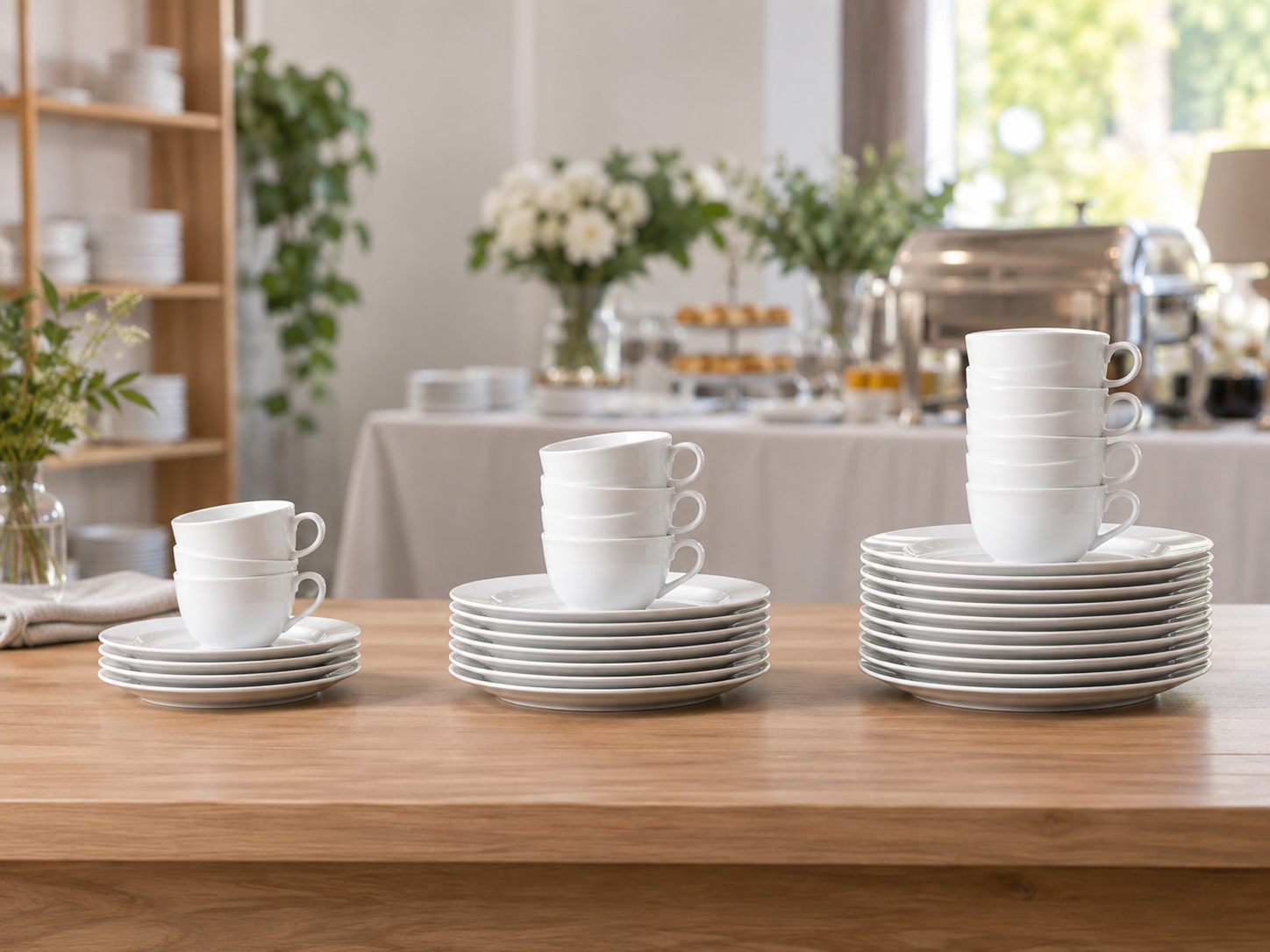
A palette is a specification, not a mood board. A working colour system has three or four colours in defined roles: a dominant colour that carries the largest surface area, a secondary that separates, an accent or metallic that appears in small amounts, and a neutral that gives the eye somewhere to rest. Fewer colours read better across families, and four is usually the practical ceiling before a set starts to look assembled rather than designed. The hard part is substrate drift. The same Pantone reference lands differently on coated paper, tissue napkin, uncoated board, latex and metallised film, and metallic and deep red tones shift most. Specify each colour per substrate rather than one reference for the set, keep a physical swatch of each approved substrate as the master, and expect the palette to be re-approved for each new print route. Two further rules protect the programme. First, avoid a palette that is only correct for one season, because the same specification work should carry two or three occasions. Second, keep holiday identity in pattern and motif rather than in colour alone, so a palette can be reused for a second occasion with new artwork instead of new tooling. Send the palette with the brief and we will map it onto each family and substrate.
Personalisation: names, ages, dates and logos
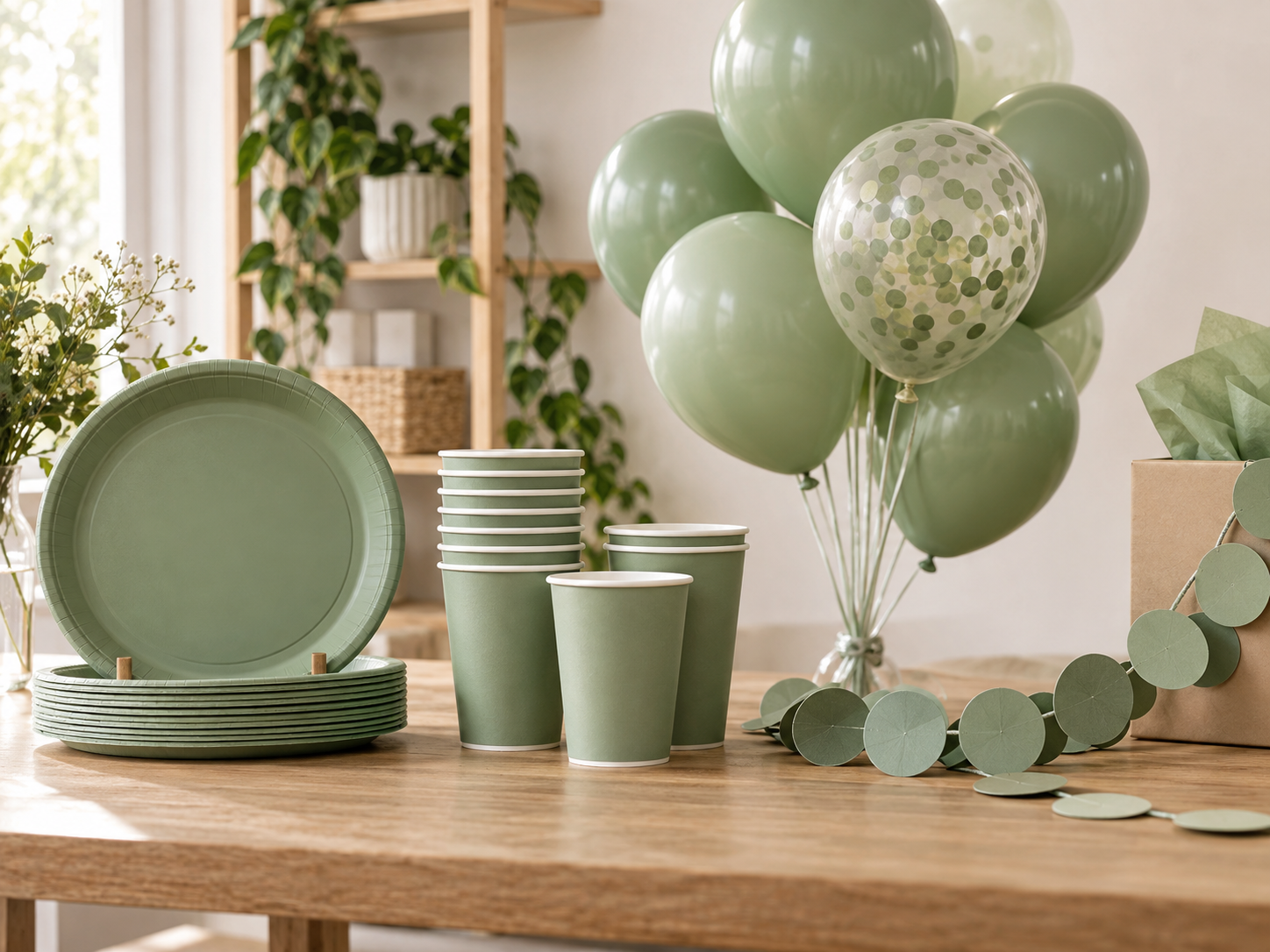
Personalisation is what turns a generic set into something a buyer can own, and it comes in four levels that carry different minimums. Logo work is the cheapest and most reusable: one or two colours, one position, applied to the same base items every season. Date and age print is the second level and carries one specific risk, that a pack printed with a number or a year cannot be sold after it passes, so buyers either keep the print generic or accept the write-off. Name personalisation is the third level and works on paper goods, tags, boxes and select film items rather than on balloons or heavily contoured plastic; it is normally quoted on a per-name basis with a minimum per name, which is why it is only sensible when the buyer takes several names or several occasions in one run. Full private design of the pack is the fourth level and is where tooling and design time are carried. Across all four levels the artwork requirements are the same: vector files, Pantone references, clear indication of print position and orientation, and an approval on the finished item rather than on paper. Dated and named print also has to be scheduled separately, because a later artwork change on a named line is not a production change.
Packing and freight for multi-family occasion sets
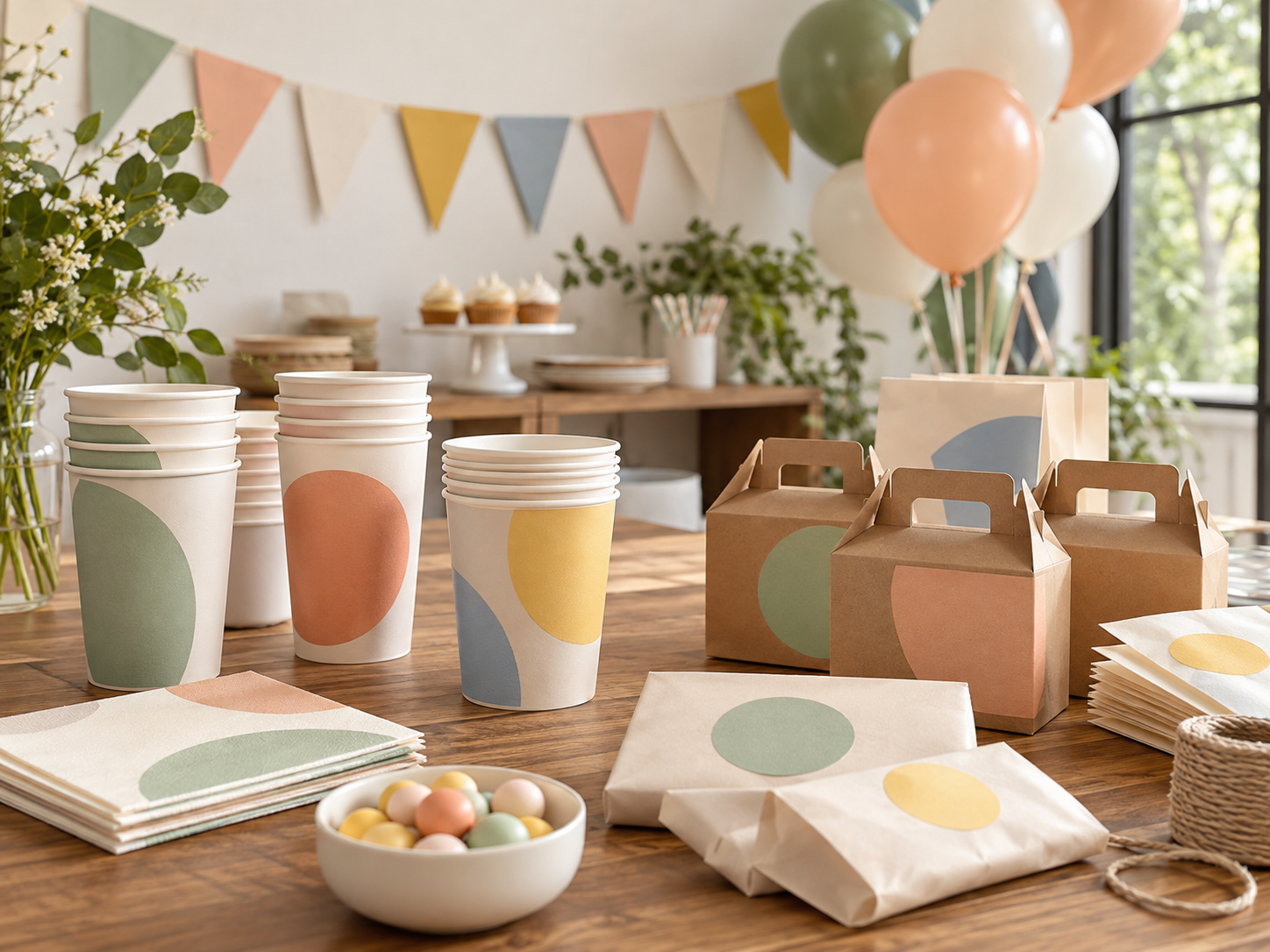
A multi-family occasion set raises one packing question before any carton is quoted: is the set sold as a retail unit, or is it assembled by the buyer? A retail set is normally boxed or bagged as one sellable unit with a header card and barcode, which means the mixed families are combined at packing stage and the cube of the set, not of the individual items, becomes the freight figure. A buyer-assembled set ships as a mixed carton of loose lines and is denser and cheaper to move, but it transfers the packing work and the label to the buyer and cannot be sold as a single SKU. Both are legitimate, and the choice should be made before pack artwork is drawn. For retail sets, flat-packed and nested formats protect the cube: folded garlands, stacked plates and nested cups, a header card instead of a rigid box, and a bag size matched to the content rather than to the shelf. For loose programmes, mixed loading is the lever, with the light balloon and decoration lines balanced by tableware, board and heavier accessories. Pallet configuration, carton dimensions, gross weight and any retail-ready requirement should be confirmed on the order confirmation.
MOQ, sampling, lead times and compliance for occasion sets
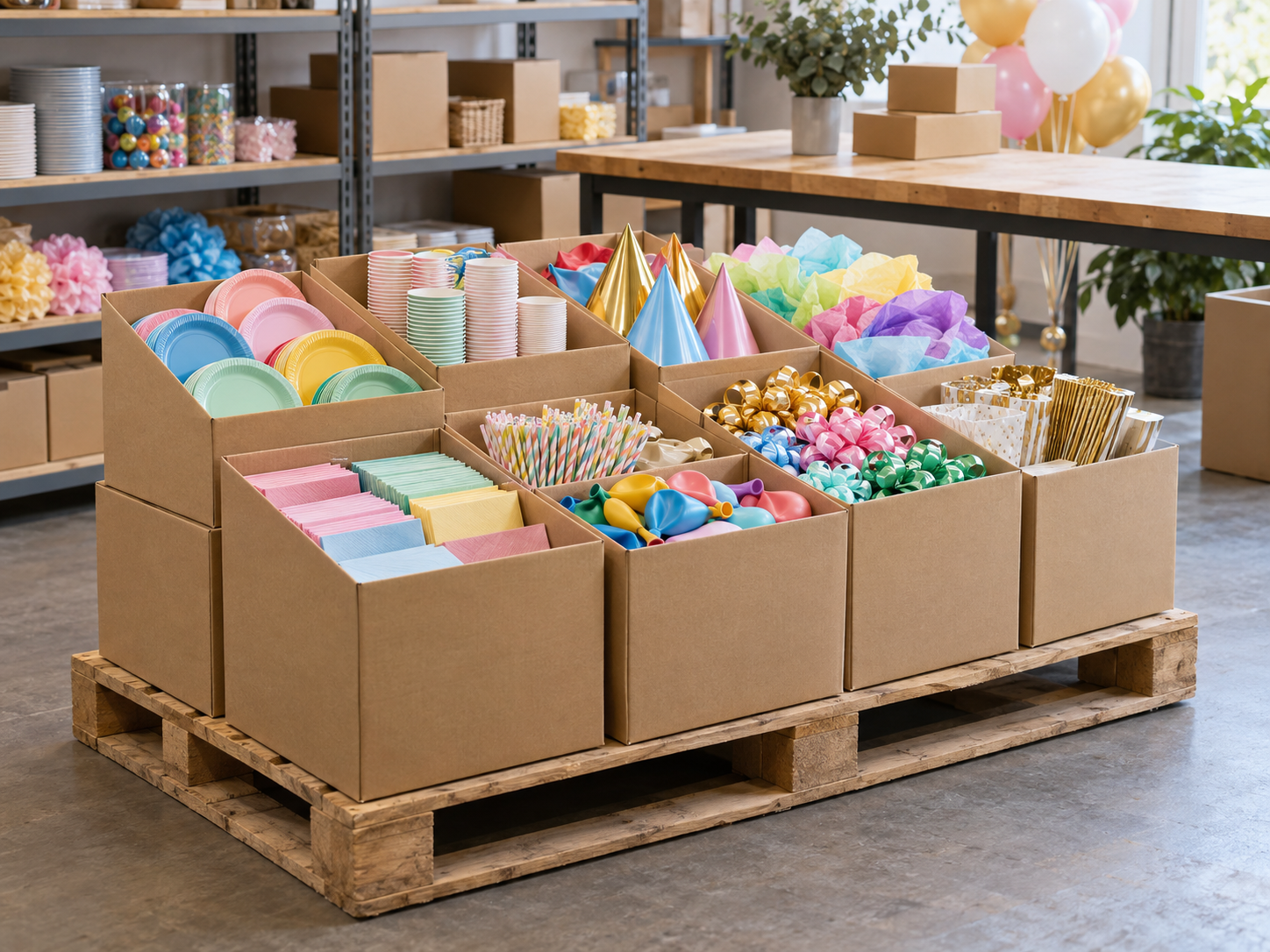
Minimum order for a built set is expressed per set rather than per line: boxed and bagged kits commonly start around 100 to 500 sets, quoted against the pack format and print route rather than from a standard list, with a multi-occasion programme allocated across one container. Personalised and private-design work sits above that band and is quoted against artwork. Sampling runs in two stages: a stock sample for specification and pack, then a pre-production sample once artwork and materials are fixed, which is the one signed off. Production commonly runs 30 to 45 days from sample approval for printed or private-label sets and 15 to 25 days for stock lines, sampling adds roughly two to three weeks ahead of that approval, and sea transit is commonly 30 to 40 days plus around two weeks for port and inland movement. Compliance follows the contents of the set: food-contact tableware, child-use and toy items, soft plastic film, printed ink, candles and battery or LED pieces sit in different report families. Sets in this range can be produced to EN 71, CPSIA, FDA, LFGB and REACH requirements, and we will state the standard an item is intended to meet. Ask us for the current test reports for the exact items, colours and print versions in your set, for your destination market. All figures above are industry ranges, and the schedule for your order is confirmed with the order.