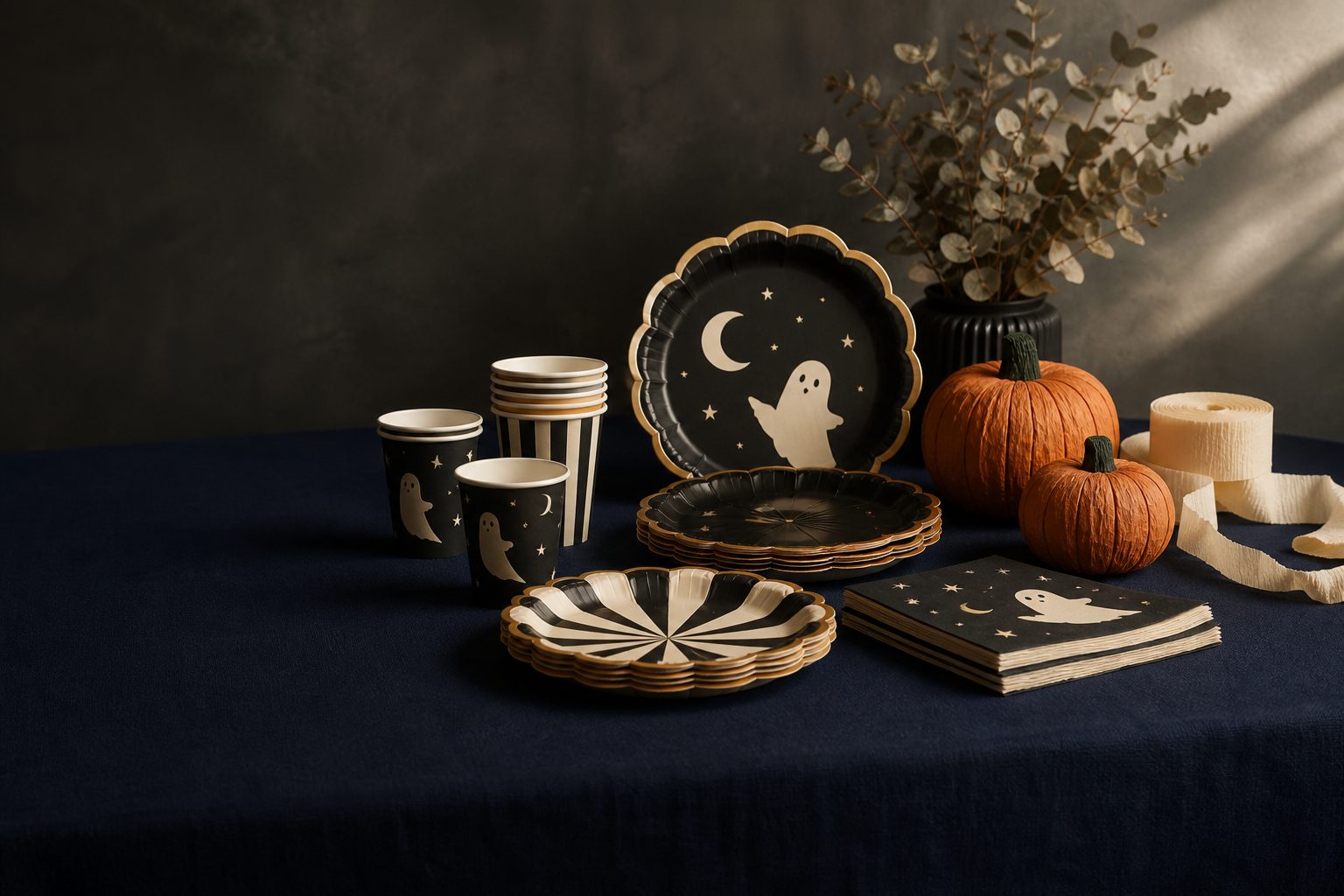
 Halloween
Halloween, packed and ready
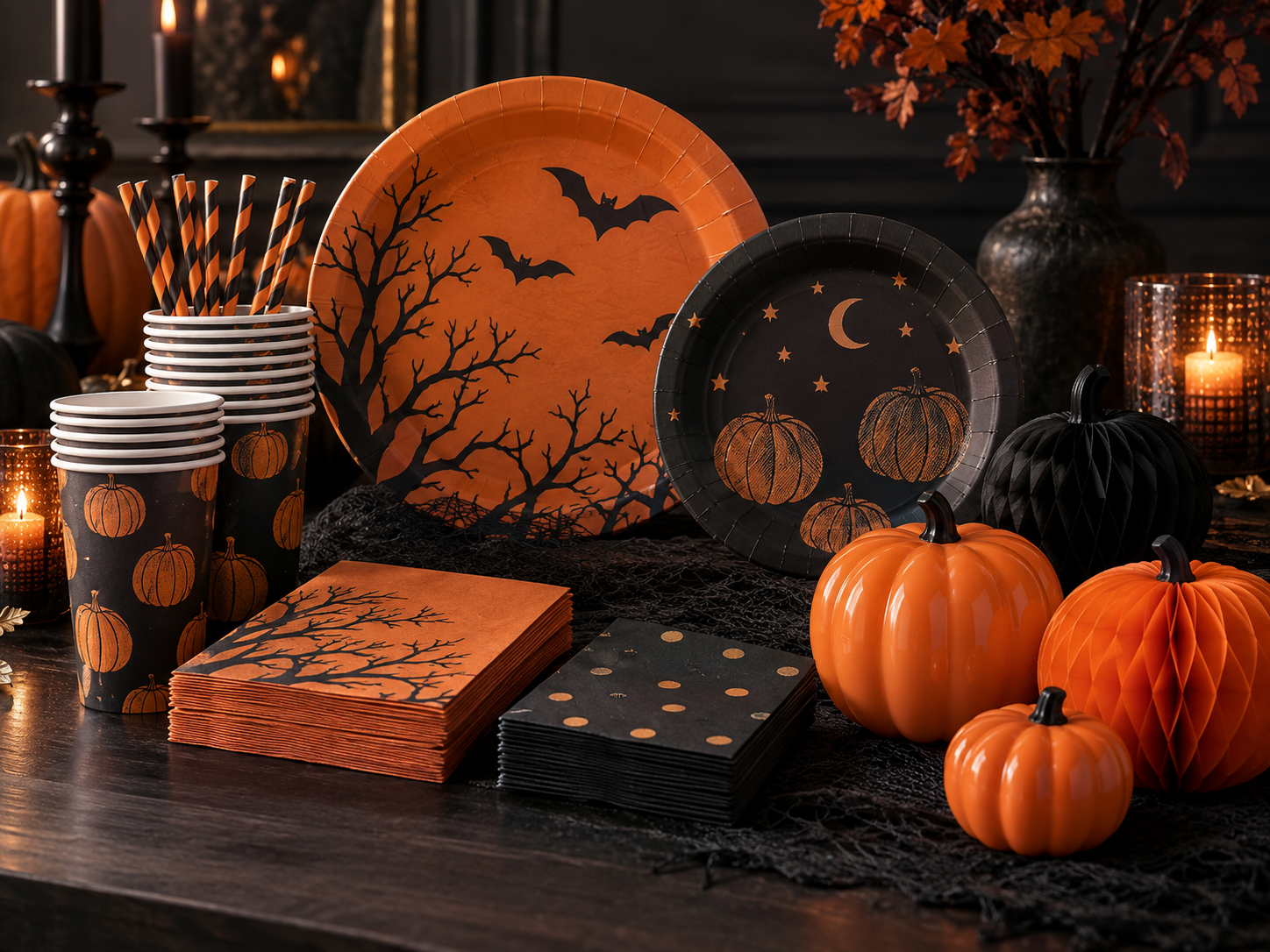
Props, yard décor, tableware and costumes shipping together in one container.
See the Halloween range
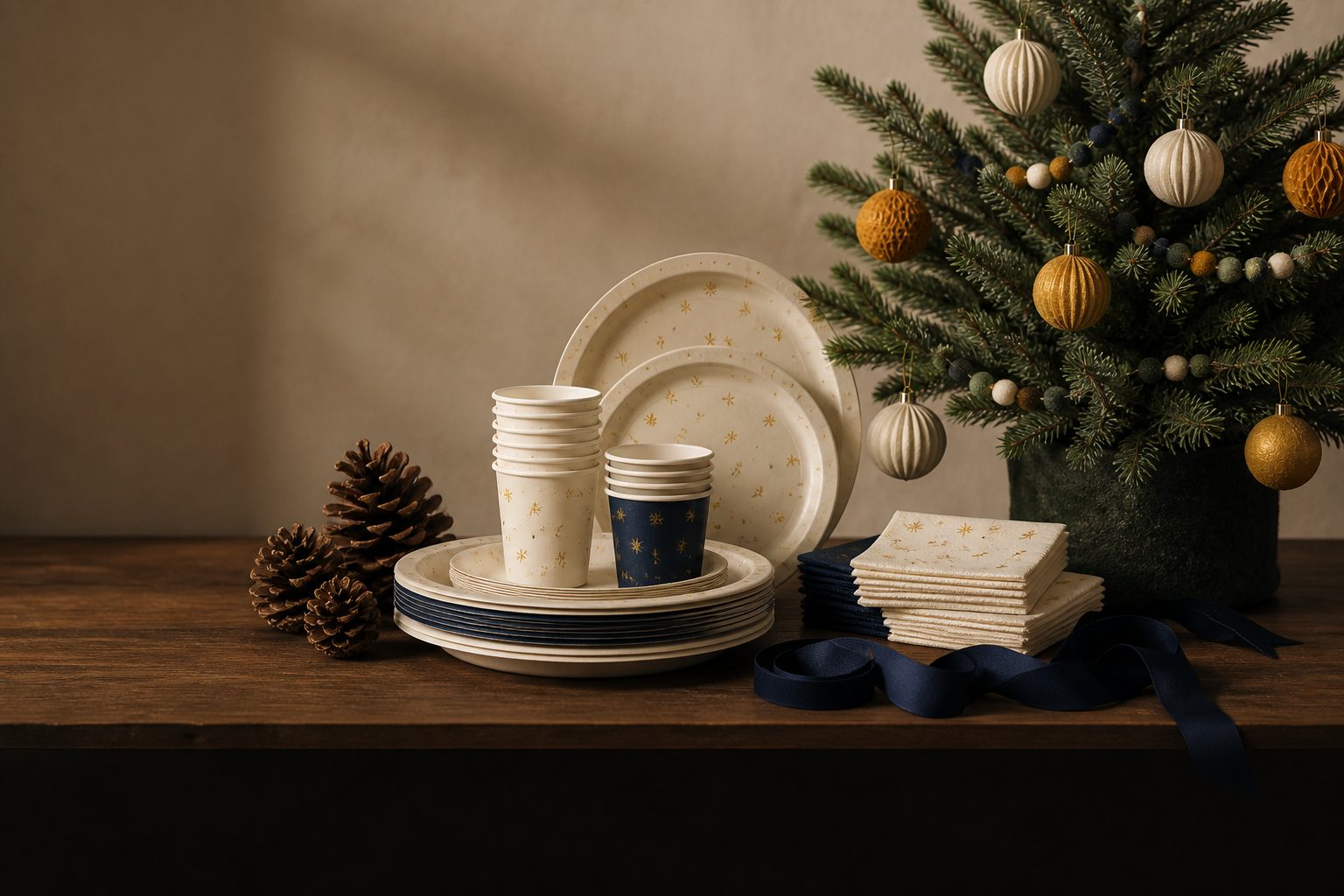


Holiday
Christmas, Halloween, Easter, Ramadan and New Year — ranges built around the calendar.
Holiday and festival supplies for importers and buying teams
WW Revel supplies holiday and festival product to importers, wholesale distributors, supermarket and chain buying teams, event and party planning companies and online sellers who need a dated season delivered on time. This page is the index for the holiday range: Christmas, Halloween, Easter, Ramadan and New Year, each with its own category page that goes deeper on product families, pack formats and inspection points. Read this page when you are planning a season, not when you are filling a single line. The holiday business runs on a calendar rather than on a design trend. Every festival has an enquiry window, a production window and a shipping window, and the difference between a season that lands on the shelf and a container that arrives late is usually a few weeks of planning. Some festivals sit on a fixed date and can be planned years ahead; others move against the Gregorian calendar and shift when the order must be placed. The range is built to be bought as a season across decoration, tableware, balloons, headwear and accessories, gift and favour items and printed packaging, quoted on FOB, CIF or DDP terms, and mixed loading across festivals is normal. Send us the festivals, the destination market and the shelf dates, and we will come back with a production and loading plan.
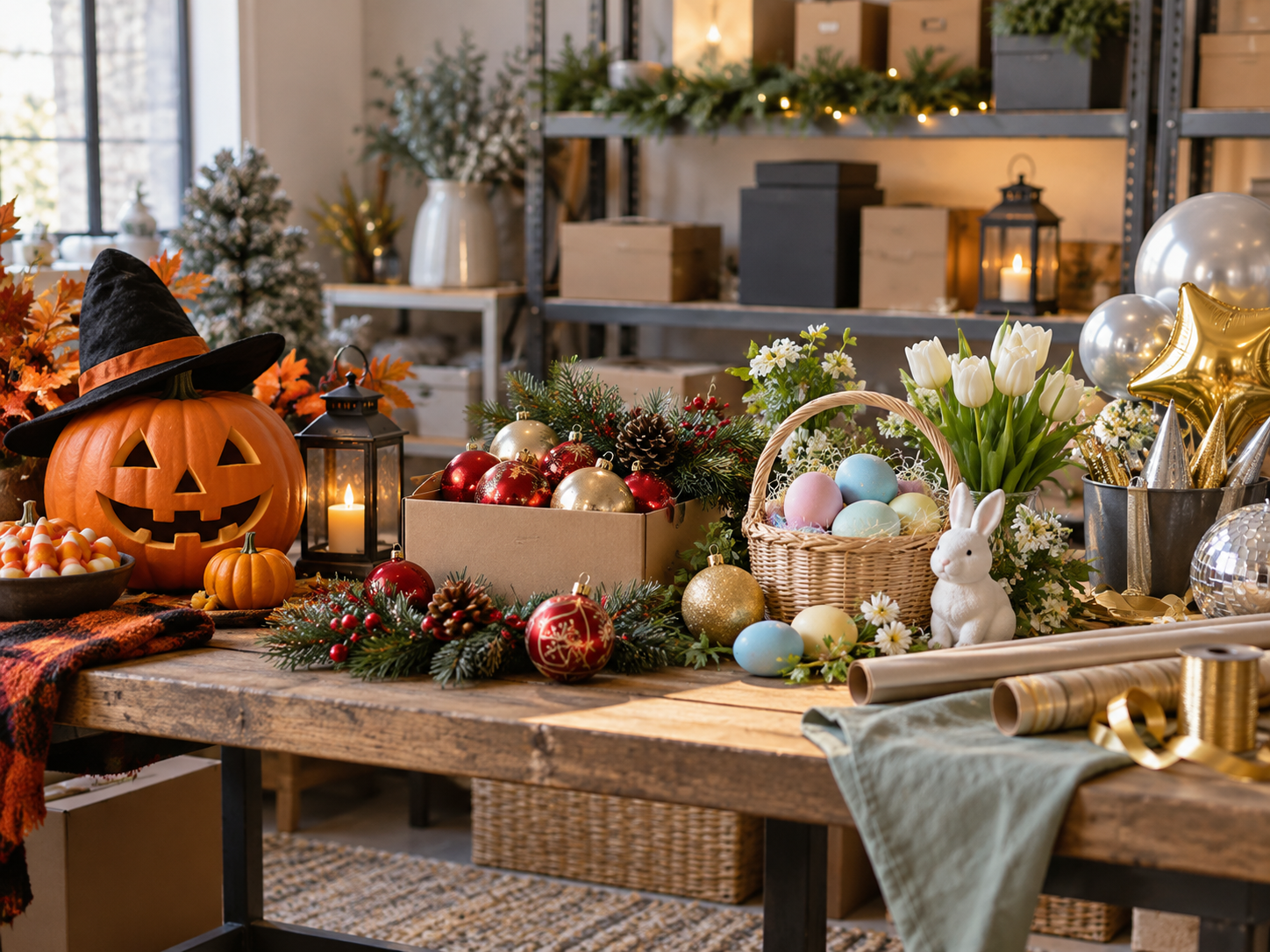
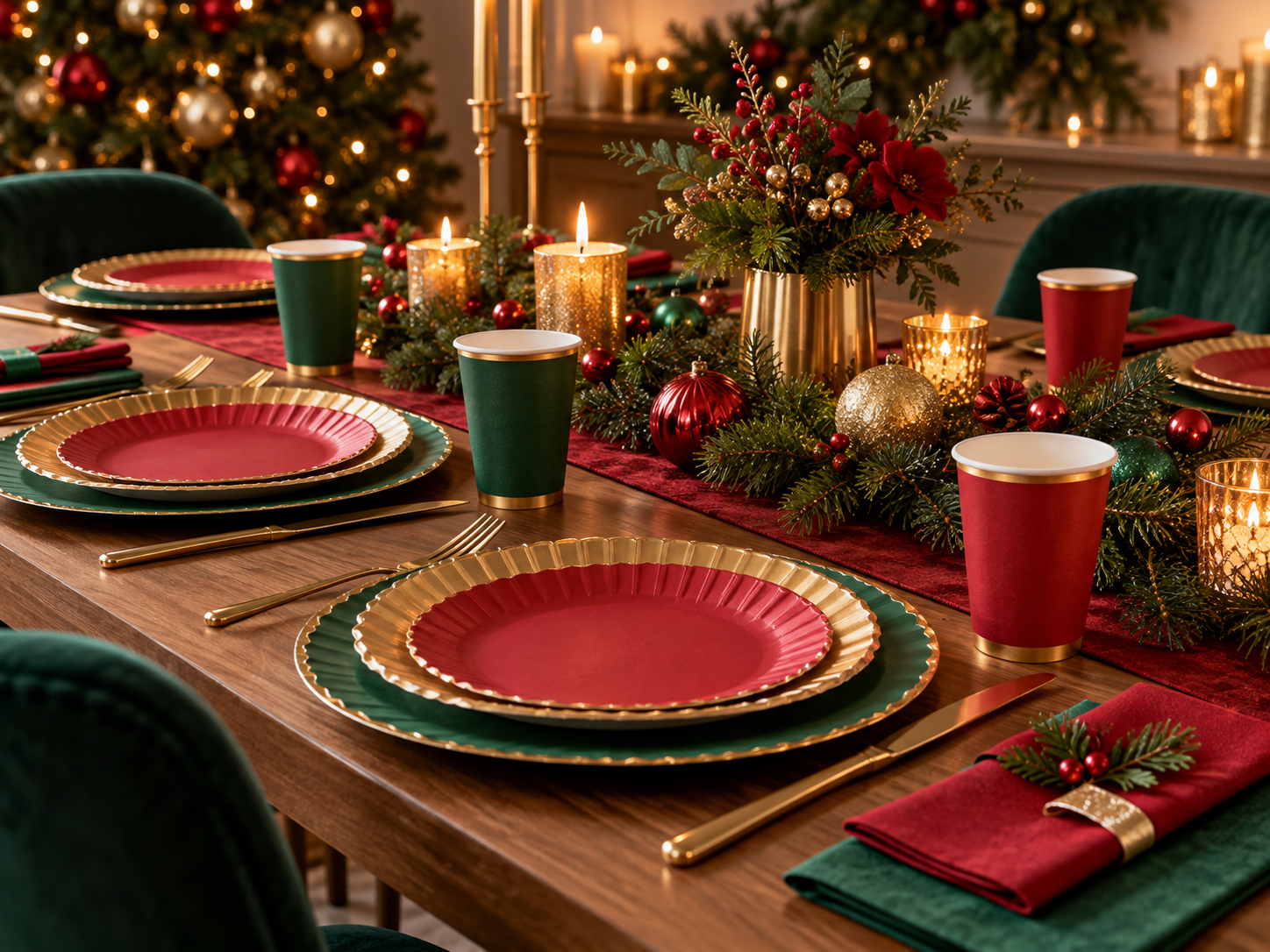



Holiday buying calendar: when to place each season
A holiday programme is planned backwards from the shelf date, not forwards from the enquiry. Two dates matter: the enquiry window, when specifications and artwork must be settled, and the production window, when capacity for that festival is still open. For Christmas, enquiries commonly open from January to March, production runs April to August, and goods need to leave Asia by September to reach European or North American shelves in October and November. Halloween runs a tighter curve, with enquiries from February to April, production May to July and shipment August to September, because retail sets the aisle in early September. Easter and Ramadan move against the Gregorian calendar every year, with Ramadan and Eid shifting roughly eleven days earlier, so a window that worked this year sits late next year unless the date is recalculated. New Year is usually bought either on the Christmas production slot or on a short replenishment cycle. Two constraints apply across the year: Chinese New Year falls in the middle of the supply calendar, with factories quiet for one to three weeks and capacity booked out on both sides, so a spring festival should be placed before that window rather than through it, and sea transit is commonly 30 to 40 days to Europe or North America plus around two weeks for port and inland movement. Treat these as industry ranges and confirm against your actual order.

Choosing product families by festival
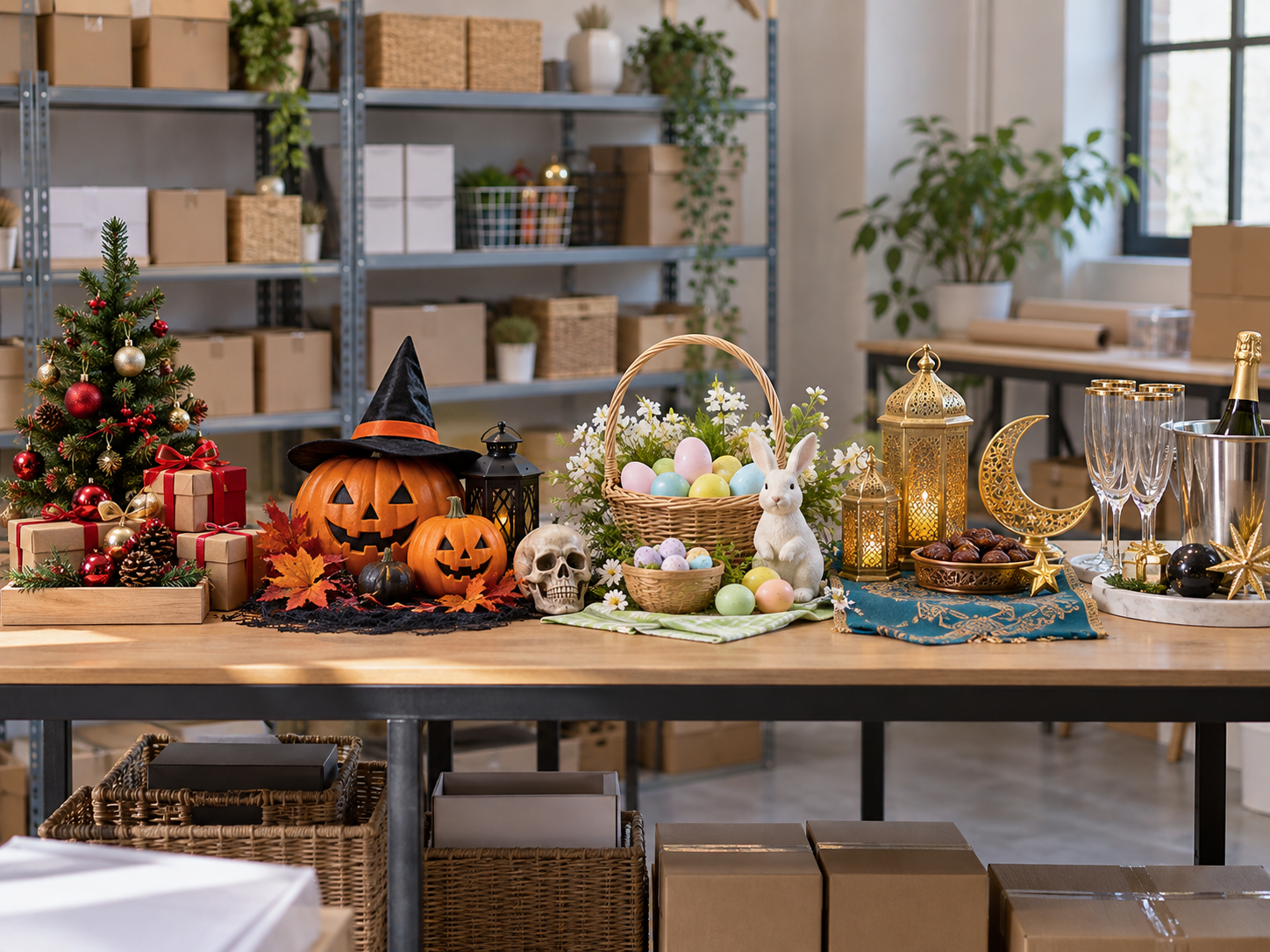
Each festival has a core product family that carries the season and a set of attach lines that lift the average order. For Christmas the core is room and tree decoration, wreaths and garlands, followed by tableware, gift wrap and tags, crackers, headwear and textiles for the table. Halloween's core is dress-up and costume accessories, headwear and masks, supported by pumpkin and bat decoration, party tableware and treat bags, with battery-operated lighting as a strong attach line. Easter is an egg-and-basket season: plastic and fillable eggs, baskets and grass, bunny headwear, tableware and hunt accessories. Ramadan brings lanterns and crescent decoration, string lights, iftar tableware, date and gift packaging and furnishing accessories. New Year is a confetti, balloon and tableware season with a high attach rate on countdown and photo props. The buying logic repeats in every case: two or three hero families carry the display, and the margin sits in the small attach items that reorder without a new design cycle. Because most of these are decorative rather than food-contact lines, the main specification levers are material, size and finish. Choose the hero families first and let the attach lines follow from them.
Custom printing and private label for holiday programmes
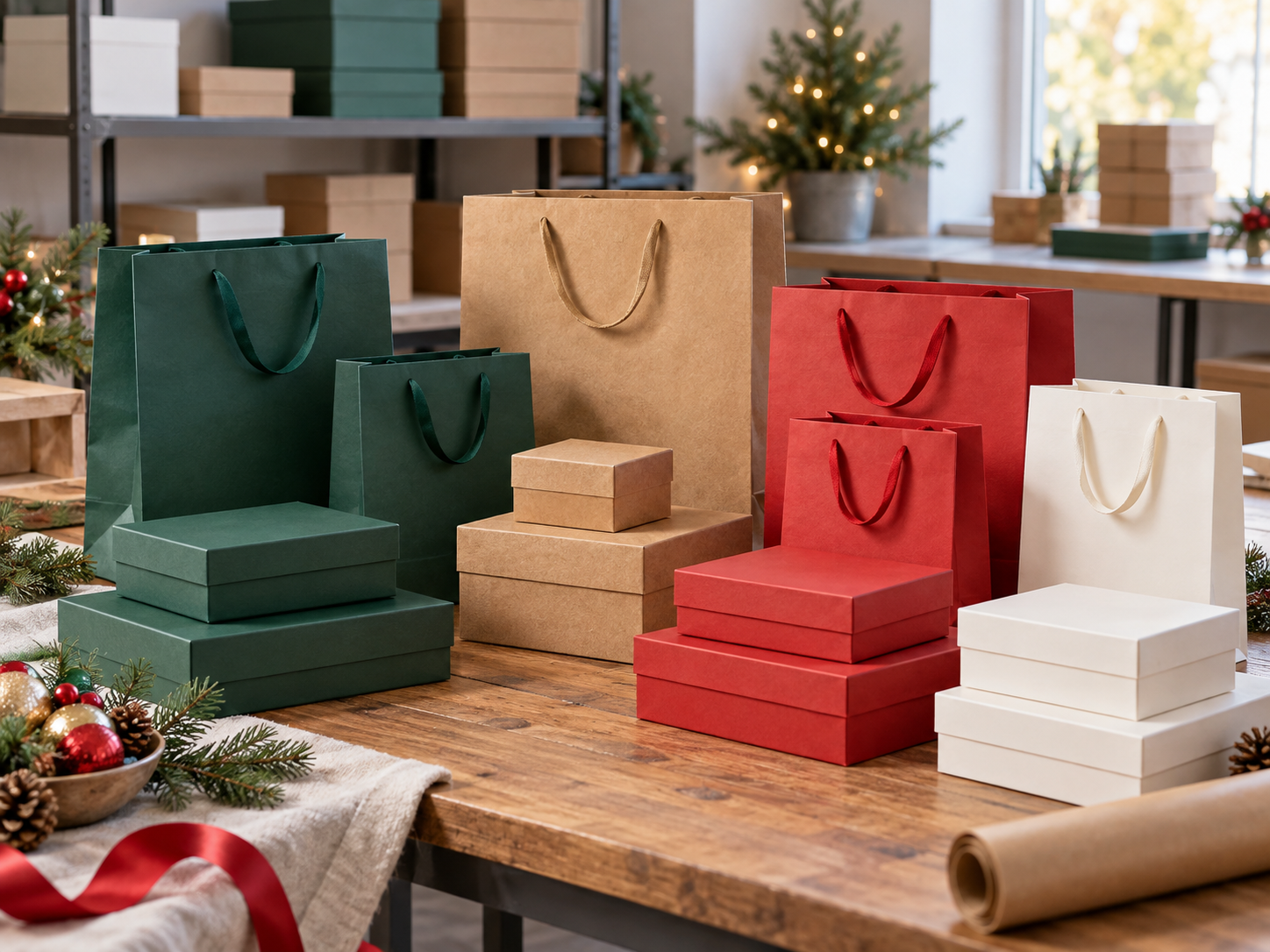
Custom work on a holiday programme runs at three levels, and the level should be decided before artwork is drawn. The lightest is a logo or greeting print on a stock item: one or two colours, one print position, vector artwork with Pantone references, and a minimum that sits above stock. The middle level is a fully private-label pack, your own poly bag or colour box, header card, barcode and hang tag, which is what turns a loose decoration into a retail SKU and is the level most supermarket and chain buyers purchase at. The deepest level is a private design, where shape, die-cut or colourway is developed for you and tooling applies. Festival work has two specific traps. Dated copy is the first: a pack printed with a year, an age or a fixed date becomes unsaleable after that date, so buyers either keep the print undated or accept the write-off. Colour drift is the second: reds, golds and metallics are the hardest colours to match across substrates, and a Christmas red that matches on a paper plate will not match on a foil balloon or a printed ribbon. Approve on the finished substrate and in the final retail pack. Send artwork with the enquiry and we will confirm what is achievable, at what minimum, on which material, and which standard the item is intended to meet.
Packing and freight: holiday cargo is bulky and cubes out
Holiday cargo is decoration, and decoration is bulky. Most of this range cubes out long before it reaches weight capacity: an export carton of plastic ornaments, garlands or paper tableware is light relative to its volume, so the freight you pay is based on measurement rather than on gross weight. Rates are normally quoted per cubic metre or as revenue ton, whichever is greater, and the container is filled by volume. That changes the buying decision. A slightly denser item can be cheaper to land than a lighter one, and an item that packs flat is worth a premium because it improves the container's average density. The practical consequences belong at specification stage. Nested products, flat-packed garlands and header-card packs that stand on a shelf all raise the pieces per cubic metre, while tubs and rigid boxes trade cube for shelf appeal, which is a legitimate choice as long as it is a deliberate one. Mixed loading across festivals and across product families is normal and is the main lever on landed cost: heavier lines such as glass, ceramic, metal hooks, batteries and rigid tableware balance the light decorative families. Tell us the destination, the delivery window and whether goods move as loose cartons or on pallets, and we will propose a loading plan. Carton counts, carton dimensions, gross weight and pallet configuration are confirmed on the order confirmation.

MOQ, sampling and lead times for a holiday order
Minimum order depends on the product family rather than on the festival. Small accessories such as hanging hooks, ribbon, tags and treat-bag fillers commonly start around 100 to 500 pieces per design. Stock decorations, plastic ornaments and paper tableware usually start in the low thousands per design or per pack format, quoted in full carton multiples. Boxed sets and multi-piece kits sit lower in unit count and higher in value, commonly 100 to 500 sets. Printed and private-label programmes sit above stock minimums and are quoted against artwork rather than from a standard list. A season is normally assembled by allocating cartons across families against one container rather than by meeting a minimum on every single line. Sampling runs in two stages: a stock sample for specification and pack, then a pre-production sample once artwork and materials are fixed, and the pre-production sample is the one to sign off. Production after sample approval is commonly 30 to 45 days for printed or private-label goods and 15 to 25 days for stock designs, with sampling adding roughly two to three weeks if it runs before approval. Sea transit adds 30 to 40 days plus inland movement, so a Christmas or Halloween programme normally needs four to six months from enquiry to delivery. All figures here are industry ranges, and the schedule for your order is confirmed with the order.

Compliance and testing, and how to start an enquiry
Compliance depends on what the item is and who it is for, and one festival container usually holds several different report families. Decorative items such as garlands, ornaments and hanging decoration are assessed for mechanical safety and material restrictions. Anything a child may reasonably use as a toy falls under toy rules, with EN 71 in the European Union and CPSIA with ASTM F963 in the United States. Items intended for food contact, including plates, cups, cutlery and food picks, belong to a separate family with their own migration requirements. Soft plastic and printed film items fall under phthalate restrictions such as DEHP, DBP and BBP. Battery and LED goods are a different category again and, where button cells are used, carry battery documentation. Candles and tealights have their own requirements, and seasonal goods carry labelling duties including choking hazard warnings and age grading. Items in this range can be produced to EN 71, CPSIA, FDA, LFGB and REACH requirements, and we will state the standard an item is intended to meet; ask us for the current test reports for the exact item, colour and print version you intend to buy. To start an enquiry, send the festivals, the product families, target quantity per design, destination market, shelf or on-sale date and any artwork, and we will come back with the specification, the pack format, a production and shipping plan and the reports that apply.